
Boost Your Energy Through Menstrual Cycle Phases
Updated: Jan 14
Understanding how your body’s energy fluctuates throughout your menstrual cycle is a game changer. As someone who helps high-performing and neurodivergent women reconnect with their bodies' intelligence through cycle-aware strength training and recovery, I’ve seen firsthand how tuning into these natural rhythms can transform your performance and wellbeing. The Synced Method I use blends science and intuition, helping you train smarter, recover deeply, and perform stronger through every phase of your cycle.
Let’s dive into how you can boost your energy by syncing your activities with your menstrual cycle phases, and discover practical tips to optimise your strength and recovery.
Understanding Your Menstrual Cycle Phases and Energy Patterns
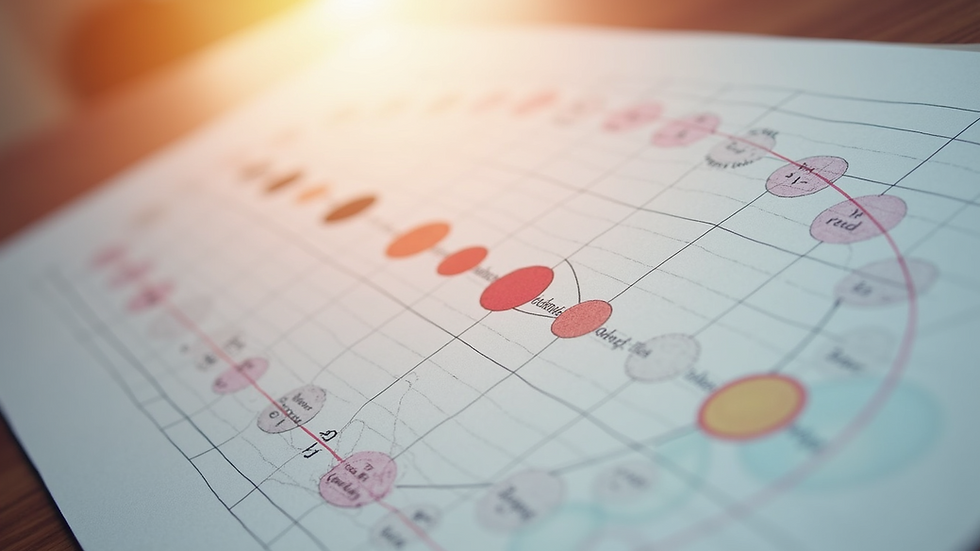
Your menstrual cycle is divided into four main phases: menstrual, follicular, ovulatory, and luteal. Each phase brings unique hormonal changes that influence your energy, mood, and physical capacity.
Menstrual Phase (Days 1-5): This is when menstruation occurs. Energy levels tend to be lower due to blood loss and hormonal shifts.
Follicular Phase (Days 1-13): Overlaps with menstruation initially, but as it progresses, estrogen rises, boosting energy and motivation.
Ovulatory Phase (Days 14-16): Peak estrogen and luteinizing hormone levels lead to a surge in energy and strength.
Luteal Phase (Days 15-28): Progesterone rises, often causing fatigue and a need for more rest, especially in the late luteal phase.
By recognising these phases, you can tailor your training and recovery to match your body’s natural energy flow.
Cycle Energy Optimisation Tips for Strength and Recovery
Optimising your energy through the menstrual cycle means working with your body, not against it. Here are some practical tips to help you harness your natural rhythms:
Menstrual Phase - Prioritise Recovery and Gentle Movement
During menstruation, your body needs rest and replenishment. Focus on gentle yoga, stretching, or light walking. Avoid high-intensity workouts that can drain your already low energy. Use this time for deep recovery practices like meditation or restorative breathing.
Follicular Phase - Build Strength and Try New Challenges
As estrogen rises, your energy and motivation increase. This is the perfect time to push your limits with strength training, HIIT, or trying new fitness classes. Your body is primed for muscle growth and endurance improvements.
Ovulatory Phase - Maximise Performance and Power
Energy peaks here, so schedule your most demanding workouts during ovulation. This phase is ideal for personal bests, heavy lifting, or competitive events. Your coordination and pain tolerance are also enhanced.
Luteal Phase - Focus on Moderate Intensity and Recovery
As progesterone rises, energy may dip, especially in the late luteal phase. Shift to moderate-intensity workouts like steady-state cardio or circuit training. Prioritise sleep, nutrition, and stress management to support your body’s needs.
Nutrition and Hydration
Fuel your body according to your cycle phase. For example, increase iron-rich foods during menstruation to compensate for blood loss. In the luteal phase, complex carbs can help manage mood swings and energy dips.
Listen to Your Body’s Signals
The Synced Method encourages tuning into your intuition alongside scientific knowledge. If you feel unusually tired or energetic, adjust your plan accordingly. Flexibility is key to sustainable performance.
When in Your Menstrual Cycle Do You Have the Most Energy?
Most women experience their highest energy levels during the ovulatory phase. This is when estrogen and luteinizing hormone peak, enhancing not only physical strength but also mental clarity and confidence. You might notice feeling more social, motivated, and ready to tackle challenges.
This phase is ideal for scheduling your toughest workouts or important work presentations. However, it’s important to remember that every woman’s cycle is unique. Tracking your own patterns over several months can help you pinpoint your personal energy highs and lows.

How to Track Your Cycle for Energy Optimisation
Tracking your menstrual cycle is essential for applying these energy optimisation tips effectively. Here’s how to get started:
Use a Cycle Tracking App: Many apps allow you to log symptoms, moods, and energy levels. This data helps identify your phases and patterns.
Note Physical and Emotional Changes: Keep a journal of how you feel each day. Record energy, sleep quality, cravings, and workout performance.
Plan Your Training Calendar: Align your workouts with your cycle phases. For example, schedule heavy lifting during ovulation and active recovery during menstruation.
Adjust as Needed: Life happens, and cycles can vary. Be flexible and kind to yourself if you need to modify your plan.
By tracking, you empower yourself to make informed decisions that support your strength and recovery goals.
Embracing the Power of Your Cycle for Lasting Energy
Integrating cycle awareness into your training and recovery routine is a powerful way to boost your energy sustainably. The connection between your hormones and physical performance is undeniable, and by respecting this connection, you can avoid burnout and enhance your results.
If you want to dive deeper into how your menstrual cycle and energy levels interact, I recommend exploring resources that combine science with practical coaching. The Synced Method is designed to help you do just that - blending evidence-based strategies with your body’s unique signals.
Remember, this is not about limiting yourself but about unlocking your full potential by working with your biology. When you honour your cycle, you create space for strength, balance, and optimisation in every aspect of your life.
By embracing your cycle’s natural rhythms, you can transform how you train, recover, and perform. Start tracking today, listen to your body, and watch your energy soar through every phase.

Comments